
EVERYDAY "HEALTHY" FOODS SABOTAGING YOUR HEALTH & HORMONES
Jun 05, 2026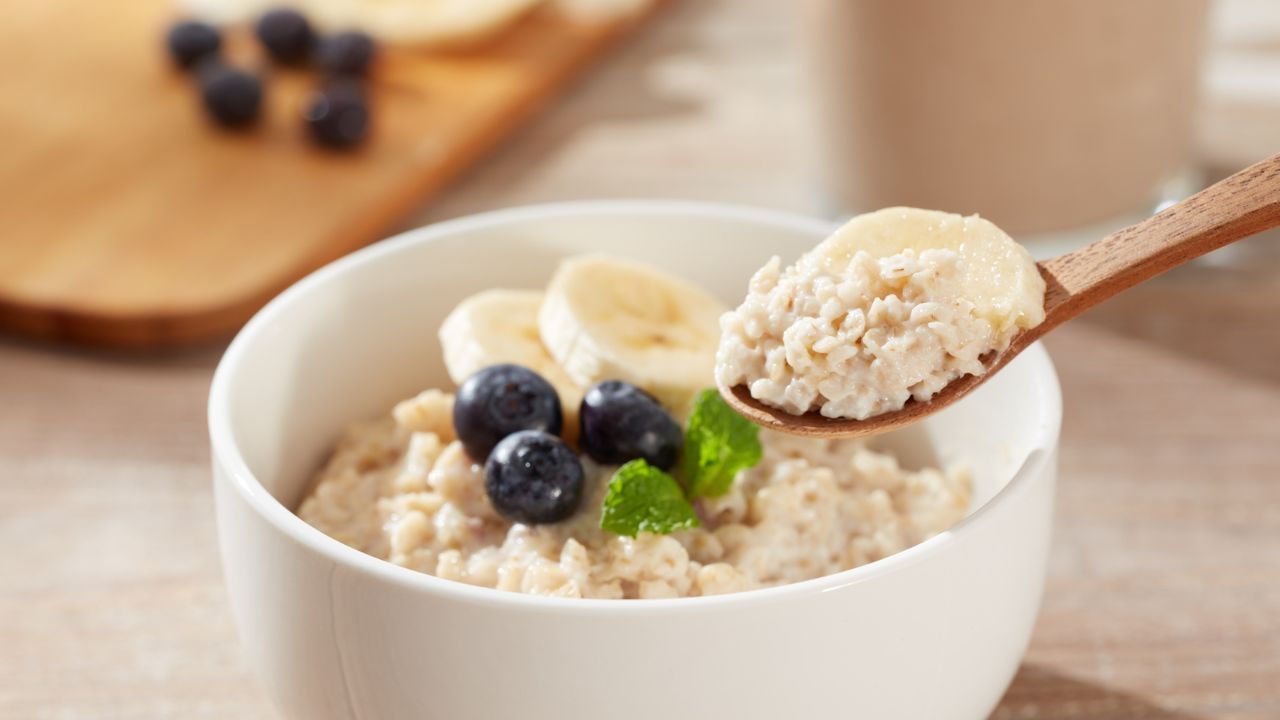
Let’s clear up something right off the bat. Just because something is marketed as “healthy”… doesn’t mean it is. Or that it's working for your body. Often times food-like substances with very little nutritional value have a huge potential to cause inflammation and disriupt hormones, are dressed up and touted as healthy.
And in peri-menopause and menopause, this matters more than ever. Your midlife body is more sensitive to blood sugar spikes, inflammation, stress, and cortisol, and a lot of so-called, “healthy” foods, are quietly fanningn the flames and making all of these worse.
Let’s talk about a few of the biggest offenders. Oatmeal. I know. This one surprises people as it has been labeled a heart-healthy staple for decades. It's literally a blood sugar spike in a bowl. World renown functional medicine physician, Dr. Mark Hyman, posted a video in March of this year where he shared the results of a study done on what happens when people eat either oatmeal, steel cut oats, or an omelette for breakfast. Subjects who ate the oatmeal and the steel cut oats ended up eating more food, had cravings later on, and less energy than the subjects who ate the omelette. Grains, like oatmeal, cause blood sugar to rise quickly, insulin to spike up, blood sugar to crash, and cravings to kick in. Even worse when it's quick or packaged oatmeal.
That crash doesn’t just affect your energy. It increases cortisol, putting you back in that loop of stress, fat storage, and inflammation. And since inflammation fuels all those nasty menopause symptoms, not something you want to do.
Next up, granola bars. Regardless of how many nutrients they say are added, or how gluten and sugar free they are, these are basically candy bars in disguise. Granola bars are often made with refined grains, syrups, and added sugars, even the “organic” or “natural” ones.
And because they’re highly process and low in protein and fat, they don’t stabilize blood sugar. Think oatmeal in a wrapper. You get the same (or worse) spike-and-crash cycle as the oatmeal… just in a smaller package.
Flavoured yogurt? Another blood sugar bomb. What looks like a protein-rich, gut-friendly option is often loaded with sugar and not much better than pudding. And again, without enough protein or fat to balance it out, your body processes it quickly, leading to, you guessed it, another blood sugar rollercoaster.
Imagine having your “healthy” oatmeal for breakfast and “healthy” strawberry yogurt and granoal bar for lunch. Ouch. No wonder you're exhausted, bloated and dealing with brain fog by 3pm.
Now let’s zoom out. Why does this matter? Because repeated blood sugar spikes don’t just affect your energy, they drive inflammation. And inflammation drives insulin resistance, elevates cortisol, and makes fat loss harder, especially around the middle. And in menopause, your tolerance and recovery for this kind of metabolic stress is much lower. Foods that “used to work” might not anymore.
This isn’t about labeling foods as “bad”, it’s about understanding context. Oatmeal isn’t the problem. Eating it on its own, without protein or fat definitely is. Flavoured yogurt isn’t the problem. Relying on it daily without looking at the sugar content will definitely derail you.
So instead of just asking, “Is this healthy?”, and trusting the marketing, it's time to start asking, “How is this going to impact my blood sugar?” “How will this impact my hormones?”
Because that’s the game in midlife. Try adding protein powder, Greek yogurt, or having some eggs alongside that oatmeal to curb the blood sugar spike and have better energy all day. Choosing plain Greek yogurt and adding your own fruit increases the protein and removes all processed sugars stabilizing blood sugar and protecting muscle. Swapping out that granola bar for whole food options with protein and fat, or even a clean protein bar can make a huge difference in your focus, concentration and energy throughout the day. Because when your blood sugar is stable, energy, cravings, hormones, fat loss... literally everything else gets easier.
So if you feel like you’re “eating healthy” but not seeing results, it might be time to look a little closer at what healthy actually means for you now.
For more information on balancing blood sugar using food, including courses and recipes, check out Tania's website.
