
GLP-1s AREN'T THE PROBLEM, DEPENDING ON THEM IS
Aug 14, 2026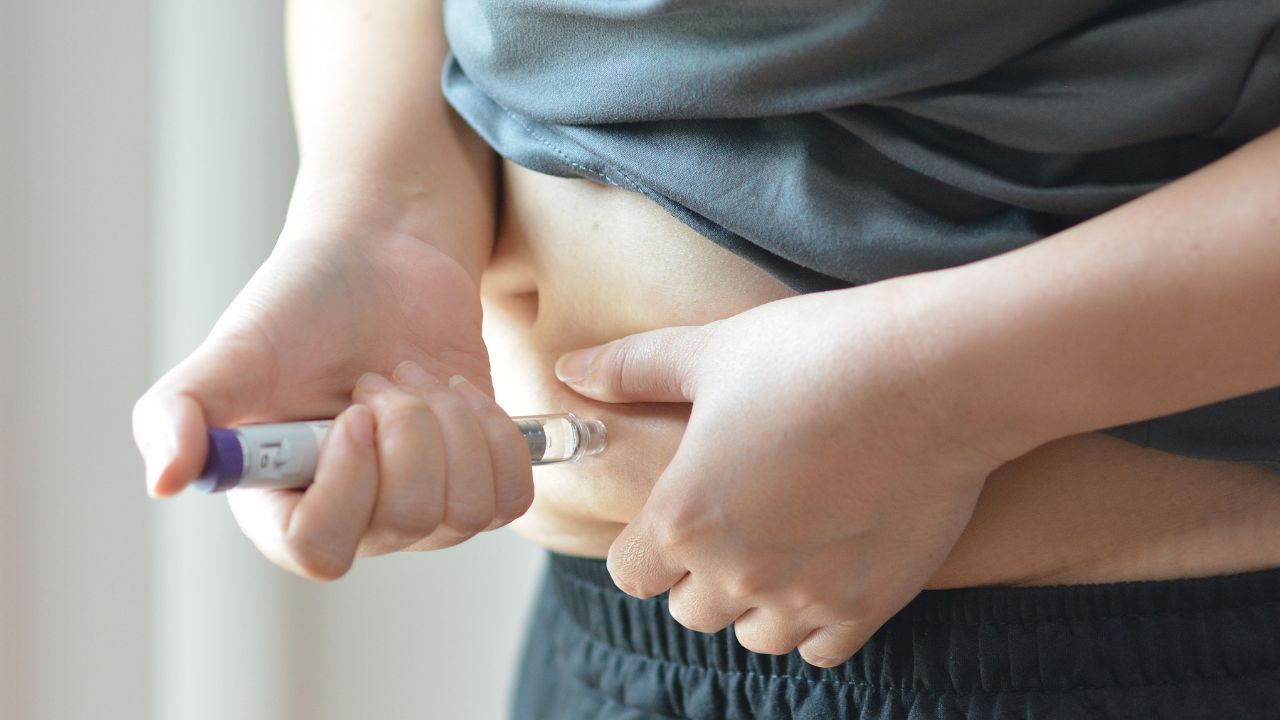
There is no question that we are living through one of the biggest shifts in the weight loss conversation in decades.
For the first time, medications originally developed to help manage metabolic conditions have become part of mainstream culture. Everyone seems to know someone who is taking a GLP-1 medication, considering one, or wondering if this is finally the answer after years of struggling with weight.
I get it. Women are tired. They're frustrated. And they just want to feel like themselves again.
They are tired of gaining weight despite doing what they have always been told to do. They are tired of feeling like their bodies changed overnight during menopause. They are tired of counting calories, restricting food, spending hours exercising, and blaming themselves when those strategies stop working.
When something promises relief, especially after years of frustration, it is understandable why women are paying attention.
This is not about shaming anyone for the choices they make. Healthcare decisions are personal, and medications can absolutely have a place in supporting health when they are prescribed appropriately and used as part of a larger plan.
The conversation we need to have is not whether GLP-1 medications are good or bad.
The conversation we need to have is this:
Are we creating health, or are we only chasing weight loss?
Because those are not always the same thing.
One of the biggest concerns I have with the current conversation is that we have once again made the number on the scale the main measure of success. We celebrate how quickly someone loses weight, but we often fail to ask a more important question:
What is the body losing, and what is the body gaining? All weight is not created equally.
The scale cannot tell you whether you lost fat, muscle, water, or bone. It cannot tell you whether your metabolism is healthier, whether your blood sugar is more stable, or whether your body is becoming stronger and more resilient.
And for women in menopause, that distinction matters.
One of the most important things women can do as they age is preserve and build muscle. Muscle is not just about appearance. It is one of the foundations of healthy aging. It supports metabolism, improves insulin sensitivity, protects bones, supports mobility, and helps maintain independence.
Your body is your vehicle that drives you through life. Muscle is part of the engine that keeps that vehicle strong and capable for the road ahead.
The goal is not simply to make the vehicle lighter. The goal is to make sure it can carry you through all the seasons of life.
This is where I believe we need to pull back the curtain on the current weight loss conversation.
Many women are using these medications without also addressing the foundational pieces that created the problem in the first place. If blood sugar is dysregulated, if inflammation is high, if sleep is poor, if stress is overwhelming, and if muscle mass is declining, those issues still need attention.
A medication can influence appetite. It can help some people eat less and lose weight – at first. But it does not replace the need to nourish your body, build strength, support your hormones, and create the internal environment where your body can thrive.
Symptoms are signals. Your body’s not broken. She’s trying to tell you something.
Weight gain, cravings, fatigue, brain fog, poor sleep, and changes in body composition are not simply signs that you need more willpower. And they don't “just happen” becuase you hit a certain age. They are signals that your body may need a different approach.
I know this because I lived the opposite experience.
For many years, I struggled with arthritis and a very low immune system. In learning how to balance my body and fill the nutriitonal gaps needed to overcome these challenges, was also able to significantly reduce inflammation and balance my hormoness. Something I didn't fully realize the significance of until several years later when I entered menopause without the usual hot flashes and other nasties.
Not because I found a shortcut. Because I learned how to work with my body instead of against it. And that's the message I want women to hear.
You are not a broken machine that needs to be fixed. You are a complex, intelligent body that responds to the environment you create for it.
The foundation matters. Protein matters. Strength training matters. Sleep matters. Managing stress matters. The quality of the food you eat matters.
Numbers are not nutrients.
A calorie is not simply a calorie when you consider how different foods affect your hormones, blood sugar, inflammation, and muscle. The goal is not just to consume less. The goal is to provide your body with what it needs to function well. Often that means eating more than you have for a long time.
The goal should not simply be to lose weight for an event, a vacation, or a smaller clothing size.
The goal should be to build a body that allows you to enjoy your life for decades to come.
A body that lets you travel, lift your grandchildren, get down on the floor and get back up without assistance. A body that gives you confidence because it is strong, capable, and healthy.
I believe women deserve more than chasing the next quick fix. They deserve to understand how their bodies work and how to create lasting health. Because the best outcome is not simply being smaller.
The best outcome is being stronger, healthier, more energized, and more capable than you ever thought possible so you can live longer, stronger, healthier, and truly enjoy the life you've worked so hard to create.
Check out the FIT Menopause Method and watch Tania's free training video.
